Why We Built bavoli
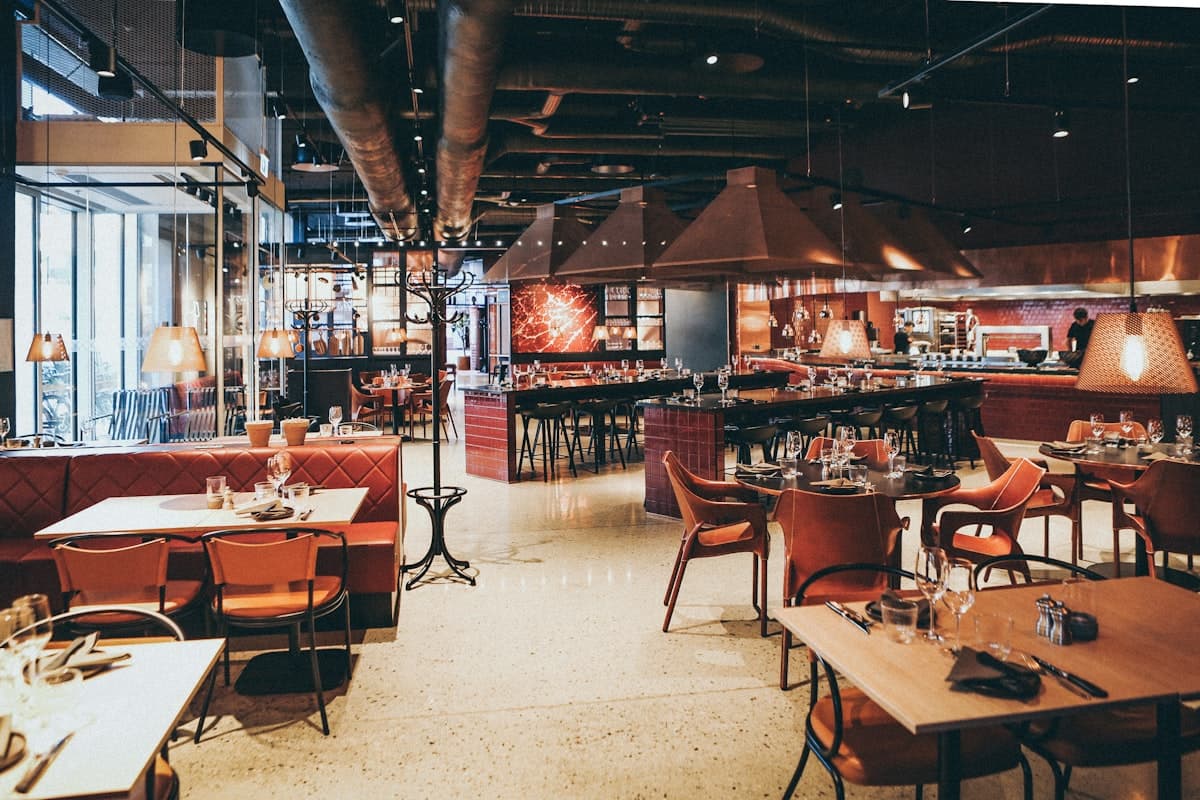
My parents ran a small restaurant when I was growing up. Not a glamorous one. A neighborhood place with 36 seats and a lunch counter that did solid business on weekdays. I remember my dad going through invoices at the kitchen table after close, frustrated that so many of his costs scaled with success. The busier we got, the more everything cost.
That stuck with me.
Years later, when I started digging into how restaurant reservation software is priced, I found the same pattern. OpenTable's Core plan starts at $299/month, plus $1 per cover for bookings through their network. A restaurant doing 500 covers a month through the platform pays roughly $799/month. That's about $9,600 a year. Their Pro plan pushes past $11,000.
The model punishes growth. The busier you get, the more you pay. And it's not like these platforms are providing more value when you're full on a Saturday night. They're providing less. You don't need help filling tables when there's a waitlist out the door.
Big chains absorb those costs across hundreds of locations. They negotiate volume discounts and get dedicated account reps. A 40-seat neighborhood restaurant doesn't have that leverage. It never will.
That's the thing that made me angry enough to build something. Not annoyed. Angry. The independent restaurants that can least afford per-cover fees are the ones paying the highest effective rate per seat. The economics are upside down, and the industry just accepts it.
The math
bavoli Starter is $20/month. That's $240 a year. Compare that to $9,600. The difference could cover a part-time line cook, better sourcing, or just some breathing room during a slow month. I wrote about the full per-cover breakdown in a separate post if you want the detailed numbers.
Three principles
Flat, predictable pricing. You pay a monthly subscription. No per-cover fees, no surprise charges. Whether you seat 50 guests tonight or 500, your cost stays the same.
Your data is yours. When a guest books through bavoli, that relationship belongs to you. We don't market to your guests, sell their information, or redirect them to competitors. You can export your full guest database anytime. I wrote more about why this matters and what's happening in the industry right now.
Built for smaller restaurants. We're not building for casino resorts or 200-location chains. Every feature starts with one question: does this help an independent restaurant with 20 to 100 seats run better? If not, we don't build it.
Where we are
bavoli is new. We haven't been around for years and we don't have thousands of restaurants on the platform yet. I think the approach is right, but I'm not going to pretend we've proven it at scale. You can see everything bavoli includes on our features page. We're still early and learning. If the pricing model makes sense to you, I'd genuinely like to hear what you think.